
SOLID ALUMINIUM 3D SIGNAGE
When a sign needs the weight, precision and finish of a permanent architectural detail, solid aluminium offers a different level of construction.
Australian Plastic Fabricators CNC machines premium 3D letters, logos and sign elements from solid aluminium, then applies an anodised finish for a precise, visibly metallic result.
Choose a crisp non-illuminated presentation or backlit LED illumination that casts light onto the mounting surface. Custom etching can add fine detail, linework or text.
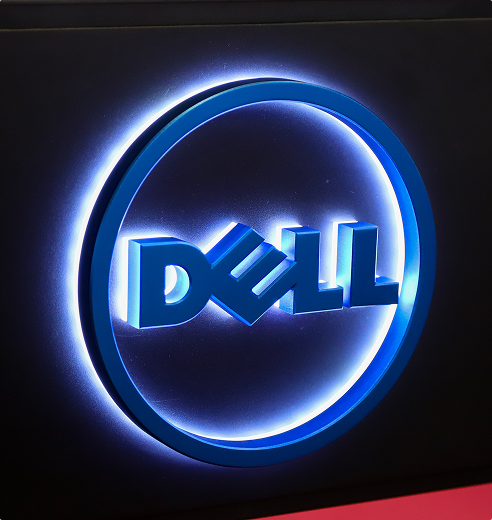
CNC machined from solid aluminium
Anodised finish
Backlit LED or non-illuminated
Custom logos, letters and etched details
What is solid aluminium anodised 3D signage?
Solid aluminium anodised 3D signage is dimensional lettering, logos or sign elements CNC machined from solid aluminium block rather than assembled from separate sheet-metal faces and sides. Machining follows approved artwork and toolpaths to form the outline, depth, edges and required detail.
The machined and prepared aluminium is then anodised. This electrochemical process forms an aluminium oxide layer integral to the metal, creating a durable, corrosion-resistant finish that retains its metallic character.
It suits buyers seeking precise form, physical depth and a restrained architectural appearance in complete logos, individual letters, reception features, identification signs or selected facade elements.
Machined from solid stock
The sign body begins as solid aluminium block, with material removed to create the required letter, logo or profile.
Anodised after machining
Anodising follows machining and surface preparation, helping protect the sign while preserving its metallic quality.
Made from supplied brand artwork
Quotes can be prepared from outlined Adobe Illustrator artwork, EPS or a suitable PDF, giving the fabrication team defined shapes to assess.
Ask whether solid aluminium construction suits your design.
Why choose CNC machined solid aluminium signage?
Solid construction, controlled machining and an anodised finish combine to create premium signage where edge quality, material presence and durability matter.
A high-end architectural finish
Solid aluminium has a substantial, precise appearance suited to carefully designed interiors and building details, while the anodised finish preserves its metal character.
Precise logo and letter forms
Digital toolpaths developed from the approved artwork allow the outline, spacing, profile and machined detail to be controlled together.
Durable, long-lasting construction
Solid anodised aluminium signage is designed for durable, long-lasting performance, particularly where a permanent metal sign is preferred to conventional fabricated construction.
Illuminated or non-illuminated presentation
Choose understated non-illuminated signage or backlit LED signage according to the site, mounting surface and required visibility.
Custom detail without printed flatness
Etched or machined details can add fine wording, linework or graphics without losing the dimensional metal character.
Discuss the finish, depth and lighting you want to achieve.
How solid aluminium 3D signage is made
Machining starts with the artwork. Fine strokes, tight internal corners, small counters and other details must remain practical at the proposed size and depth.
The team reviews the artwork, finish, lighting and mounting requirements before confirming the manufacturing approach.
1. Review the outlined artwork
The team reviews the supplied Illustrator, EPS or PDF file, along with the intended dimensions, quantity, application and finish. This is where details that may be too fine, too close together or difficult to reproduce at the requested scale can be identified.
2. Plan the machined form
The artwork is translated into a manufacturable profile. CNC toolpaths define how cutting tools move through the aluminium block to create the outline, clear material, form edges and produce the required dimensional shape.
3. CNC machine the aluminium
The solid block is machined to form the letters, logo or sign components. Depending on the design, machining can control the outside shape, face detail, depth and areas needed for lighting or fixing.
4. Prepare the surface and add custom detail
The machined aluminium is prepared for its final appearance, with custom etching added where specified.
5. Apply the anodised finish
Surface preparation and the anodising specification influence the final colour, gloss, texture and metallic appearance.
6. Add backlit LED components where specified
For an illuminated sign, the lighting approach is developed to project light behind the sign and onto the mounting surface. The final effect depends on the letter or logo form, spacing from the wall, LED selection, background material and available power.
7. Check the finished sign and prepare for handover
The completed components are checked against the approved design and prepared for delivery or project handover. Mounting and installation information should be resolved before manufacture so the sign, fixing approach and site conditions work together.
Send the artwork and project details you have.
FINISH AND DETAIL
Anodised finishes and custom etched detail
Anodising is an electrochemical process that forms a controlled aluminium oxide layer from the metal surface itself. The resulting hard, durable and corrosion-resistant finish is integral to the aluminium rather than applied as a separate film.
For signage, this protects the prepared surface while allowing the metallic character to remain visible, suiting designs that call for a precise metal appearance rather than an opaque coating.
The machined surface remains part of the result
Anodising does not hide the underlying surface like opaque paint. Machining marks, brushing, polishing, texture and surface preparation can influence the result, so the finish should be planned before production.
Colour and gloss are project decisions
The appearance of anodised aluminium is influenced by the alloy, surface structure, gloss and colouring process. If colour or finish consistency is important, provide references and discuss the acceptable appearance for the project rather than relying on a broad colour name alone.
Custom etching can add another level of detail
Etching can add wording, linework, identification or graphics within the aluminium surface. Artwork, scale and depth determine what is practical.
The finish should suit the setting
Interior reception signage, close-view logo signage and selected exterior applications place different demands on appearance, exposure, cleaning and fixing. Share the intended location so the finish can be considered in context.
Ask about anodised and custom etched finish options.
LIGHTING OPTIONS
Choose backlit LED or non-illuminated aluminium signage
Solid anodised aluminium can work as a restrained architectural element without illumination or as a more visible backlit LED feature. Lighting also changes the practical requirements behind the sign.
Backlit LED signage
Backlit letters or logos direct light onto the mounting surface, creating a halo-like outline while the solid aluminium face remains opaque and metallic.
This option suits locations needing evening visibility or a visual focal point. The result depends on mounting distance, background colour and texture, available power, viewing distance and ambient light.
Non-illuminated signage
Non-illuminated signage relies on material, depth, edge quality, finish and surrounding light. It suits reception areas, plaques, directional signs, feature walls and settings where electrical work is unnecessary or a quieter result is preferred.
What should guide the choice?
Consider evening visibility, available power, wall reflectivity, viewing distance, desired depth and access for electrical components. The team can review these factors with the artwork before quoting.
Compare backlit and non-illuminated options for your site.
CONSTRUCTION COMPARISON
Solid machined aluminium signage compared with standard channel letters
Both approaches create dimensional signage, but their different construction methods affect appearance, depth, illumination and project fit.
Construction
Solid aluminium signage is machined from a block of metal. A standard channel letter is generally a hollow fabricated form with a face, back and side returns, which can also contain lighting components.
Finished character
Machined aluminium reads as a dense, precise metal object. Channel letters read as built-up dimensional forms and support more varied face, return and illumination constructions.
Depth and scale
Solid machining suits designs where finish, profile and compact material quality are central. Fabricated channel letters can be more practical for greater depth, larger scale or easier access to internal lighting.
Illumination
Solid aluminium signs can be backlit. Channel letters may be face illuminated, backlit, halo lit or developed in other configurations according to their faces, backs and returns.
Durability
A solid body has fewer fabricated joints and is designed for durable, long-lasting performance. The right choice still depends on size, exposure, finish, lighting, mounting and maintenance.
Choosing between them
Choose solid anodised aluminium for a premium metal finish and precise machined form. Consider channel letters when greater depth, larger scale, front illumination or serviceable internal construction matters more.
Ask which construction method better fits your artwork and site.
APPLICATIONS
Where solid aluminium 3D signage works well
This signage is most effective when people will notice the quality of the material and finish. It suits brand environments where the sign needs to feel considered, permanent and integrated with the architecture or fitout.
Reception and lobby signage
Machined logo signs and dimensional lettering for office receptions, corporate lobbies, medical practices, showrooms and client-facing interiors.
Retail and hospitality interiors
Premium brand marks, counter-backdrop signage, directional details and feature signs for stores, restaurants, hotels and service environments.
Architectural and building identification
Solid lettering, logos and identification elements for walls, entries, lift lobbies, directories and selected facade applications where the site and exposure have been assessed.
Plaques and custom identification signs
Anodised and etched signs for room identification, donor recognition, project information, directional use or other applications that benefit from durable metal construction and fine detail.
Feature walls and branded spaces
Backlit or non-illuminated logo signs for boardrooms, display spaces, brand experience areas and interiors where the sign forms part of the surrounding material palette.
Trade and design-led projects
Machined sign components for architects, designers, builders, shopfitters and signage partners working from defined artwork, dimensions and project specifications.
Discuss the application and viewing conditions.
DESIGN AND CUSTOMISATION
Customise the logo, lettering, finish and lighting
Solid aluminium signage is made to order, so the artwork and site should guide the result. The key is to resolve the visual decisions and the manufacturing decisions together.
Artwork and form
- Custom logos
- Individual letters and words
- Numbers and symbols
- Machined profiles and dimensional detail
Finish and detail
- Anodised finish
- Surface texture and gloss direction
- Custom etching
- Fine wording or linework where practical
Lighting
- Backlit LED or non-illuminated construction
- Mounting distance and background surface
- Power and electrical access
Project integration
- Overall dimensions
- Letter and logo spacing
- Fixing and mounting approach
- Indoor or outdoor location
- Delivery and installation requirements
Fine strokes, tight gaps, small counters and complex linework may need adjustment at some sizes. Supply the best vector artwork available and identify details that must not change.
Send your logo or text as outlined artwork.
QUOTE PREPARATION
What to send for a solid aluminium signage quote
Start with outlined vector artwork plus the intended size and location. The following information helps the team assess machining, finish, lighting and project fit, even if every detail is not final.
Preferred file formats
- Outlined Adobe Illustrator file
- EPS file
- PDF containing suitable outlined vector artwork
Why outlined artwork matters
Outlining converts letterforms into defined shapes, reducing font substitution problems and supporting checks of profiles, spacing, internal openings and machinability.
Quote checklist
- Logo or text artwork
- Approximate overall dimensions
- Quantity
- Required depth or profile, if known
- Anodised finish or colour direction
- Custom etching requirements
- Backlit LED or non-illuminated preference
- Indoor or outdoor location
- Photos or drawings of the intended site
- Wall or mounting surface
- Viewing distance and lighting conditions
- Delivery suburb and state
- Required project timing
- Installation or trade handover requirements
If the full specification is not ready, send the outlined file, approximate size and a site photo. The team can advise what else is needed for a quote.
Request a solid aluminium signage quote.
APF CAPABILITY
Why choose Australian Plastic Fabricators for solid aluminium signage?
Premium signage requires consistent control from artwork review through machining, finishing, lighting and handover.
Australian Plastic Fabricators combines signage experience with wider custom fabrication capability to resolve unusual shapes, materials and production details.
Operating since 1995
The business has worked across custom fabrication, retail display and signage since 1995.
CNC and CAD capability
Published capability includes CAD, CNC routing, profile machining, visualisation and prototypes for custom work.
Custom signage experience
The team works across illuminated and non-illuminated 3D signage, dimensional lettering and logo signs.
Material and finishing understanding
Experience across acrylic, aluminium, stainless steel, composite materials, printing, etching and lighting helps the team consider how the sign will sit within a wider fitout or brand environment.
Sydney production locations
Australian Plastic Fabricators operates from Ultimo and Silverwater in Sydney, with factory capability at Silverwater.
Packing and Australia-wide delivery
Custom work can be packed for Australia-wide delivery, with project-specific planning for larger or complex items.
Discuss your signage requirements with the fabrication team.
FREQUENTLY ASKED QUESTIONS
Solid aluminium anodised 3D signage FAQs
What is solid aluminium anodised 3D signage?
It is dimensional lettering, logos or other sign elements CNC machined from solid aluminium block, anodised, and supplied in backlit LED or non-illuminated forms.
How is solid aluminium signage different from a channel letter?
Solid signs are machined from metal block. Channel letters are generally hollow forms fabricated from a face, back and side returns, which can better suit larger, deeper or front-illuminated constructions.
What does anodising do to aluminium?
Anodising forms an integral aluminium oxide surface that improves durability and corrosion resistance while retaining the metal’s appearance.
Can solid anodised aluminium signage be illuminated?
Yes. Backlit LEDs direct light onto the mounting surface, creating a halo-like effect around the opaque aluminium form.
Is a non-illuminated option available?
Yes. The material, depth, machined profile and anodised finish create presence without electrical components.
Can custom text or logo detail be etched into the sign?
Yes. Practical etching detail depends on the artwork, scale, depth and finish, so include it in the files supplied for quoting.
What applications suit solid aluminium 3D signs?
Common uses include reception signs, corporate logos, retail and hospitality interiors, plaques, directional signs, feature walls and selected building identification.
What affects the final appearance of anodised aluminium?
Alloy, surface preparation, texture, gloss and the anodising process influence appearance. Provide a finish reference where colour or surface character is critical.
What files should I send for a quote?
Send outlined Illustrator, EPS or suitable PDF artwork, plus approximate dimensions, quantity, finish, illumination choice, location, site photos and available mounting information.
Do I need complete technical drawings before I enquire?
No. Outlined artwork, approximate size and a site photo or description are enough to begin. The team will identify any further information required.
Ask Australian Plastic Fabricators about your design.
Request a solid aluminium anodised signage quote
Planning a machined aluminium logo, dimensional lettering, an anodised plaque or a backlit LED feature sign?
Send the outlined artwork and available project details. The team will review the design, dimensions, location, finish, illumination and delivery requirements, then advise what else is needed to quote.
Sydney City
Silverwater
02 9660 6010