
FRONT ILLUMINATED 3D LED SIGNAGE
Request a front illuminated signage quote
Front illuminated 3D LED signage gives your business name or logo a visible identity as daylight fades, with light passing through the letter faces and depth defining their form. It combines illuminated branding with dimensional lettering that can become part of a shopfront, reception area or interior fitout.
Australian Plastic Fabricators designs and manufactures custom front illuminated signage with white or coloured acrylic faces, printed graphics and a choice of front edge treatments. The face, letter profile and lighting work together to shape the result, from the way a brand colour appears to how evenly each letter is illuminated.
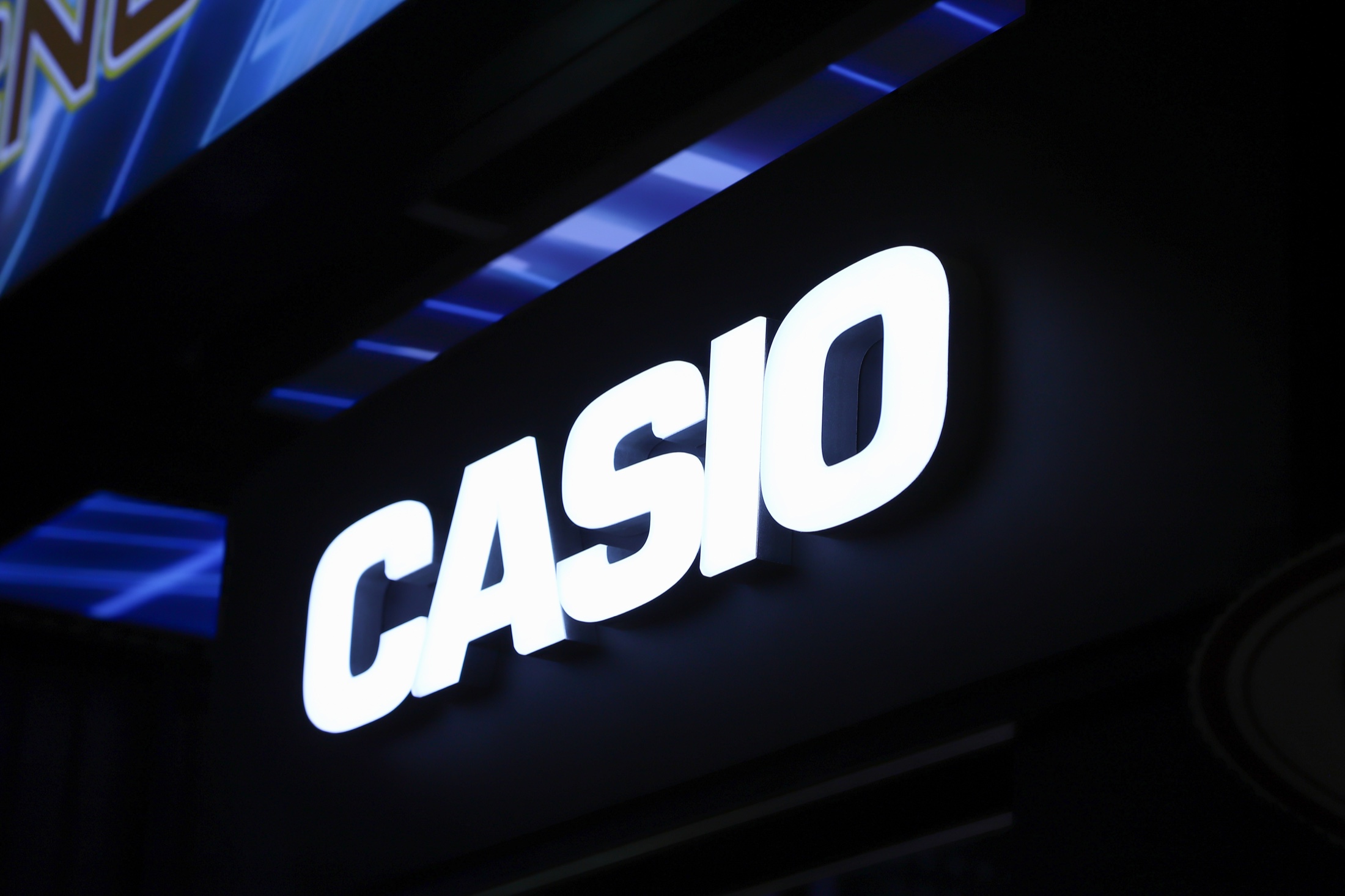
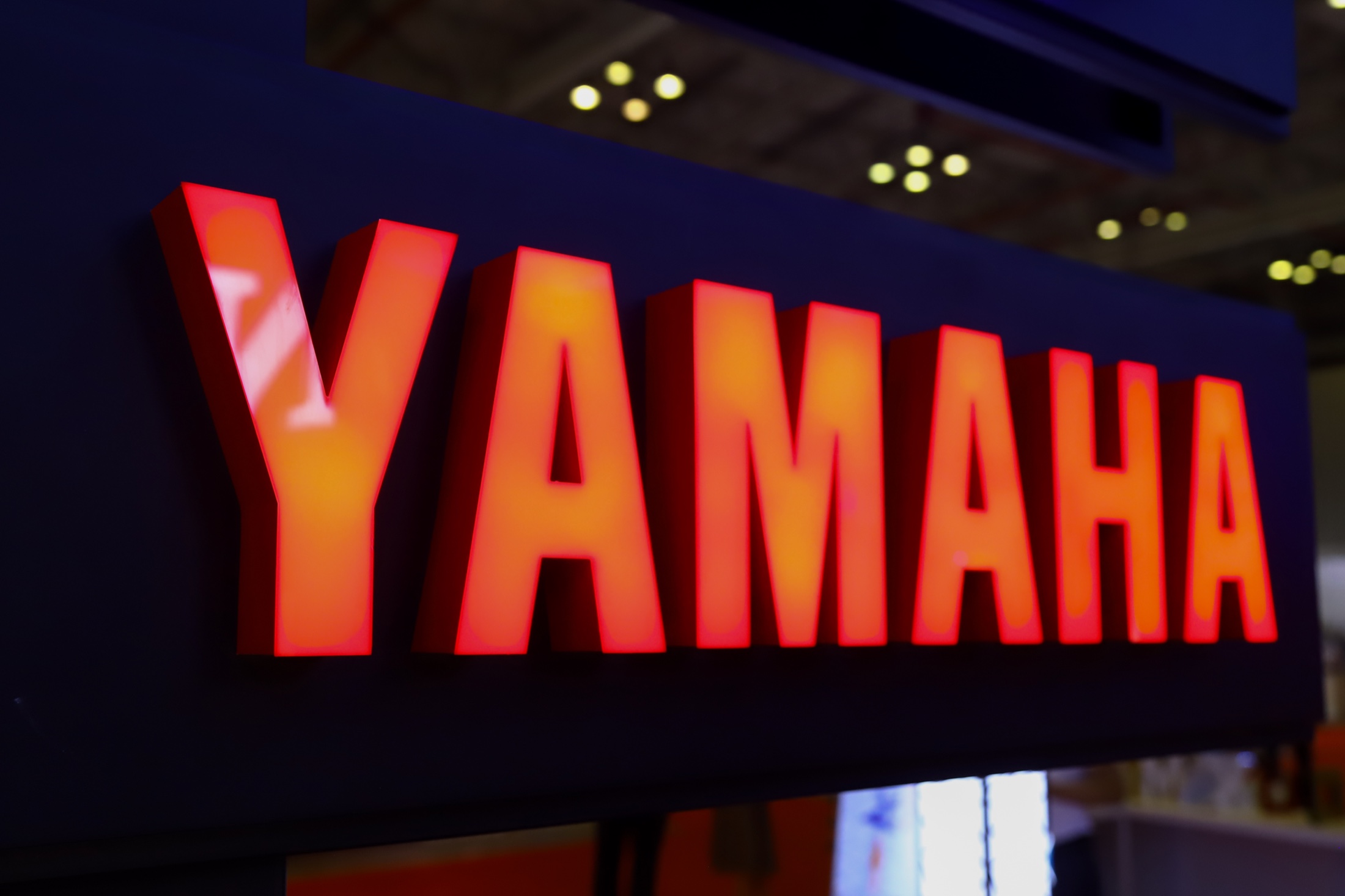
Custom letters and logos
White or coloured faces
Printed finish options
Straight or bevelled edges
How front illuminated 3D signage works
Front illuminated 3D signage uses LEDs within the sign to light a translucent face. The illuminated surface follows the shape of the letter or logo, while the depth of the sign gives it a three-dimensional form.
You may also hear it called face-lit signage. It is a useful choice when you want the wording or brand mark itself to be illuminated, particularly in spaces that need to remain recognisable into the evening.
A face that carries the light
A translucent face transmits light while helping conceal the individual sources behind it. Light transmission describes how much light passes through; diffusion describes how that light is scattered. Both influence the finished appearance.
Depth that shapes the finished sign
Our front illuminated letters typically combine an acrylic face with stainless steel or aluminium side walls, known as returns. The material depends on the sign's size, with stainless steel generally used for larger letters. The returns give the sign its depth and contain the lighting.
The backing is usually 12 to 20 mm PVC Foamex. Larger letters may include aluminium composite panel reinforcement for extra strength. Welding and gluing are used to assemble the sign.
Artwork made practical at the chosen size
Fine strokes and tight internal spaces leave less room for lighting components. A detailed logo may need a larger overall size to preserve its shape while allowing the illuminated areas to read clearly.
Light the lettering that identifies your business
Front illumination puts the emphasis on the face of the sign. It can help a name or logo stand out in an entrance, above a counter or against a shopfront background.
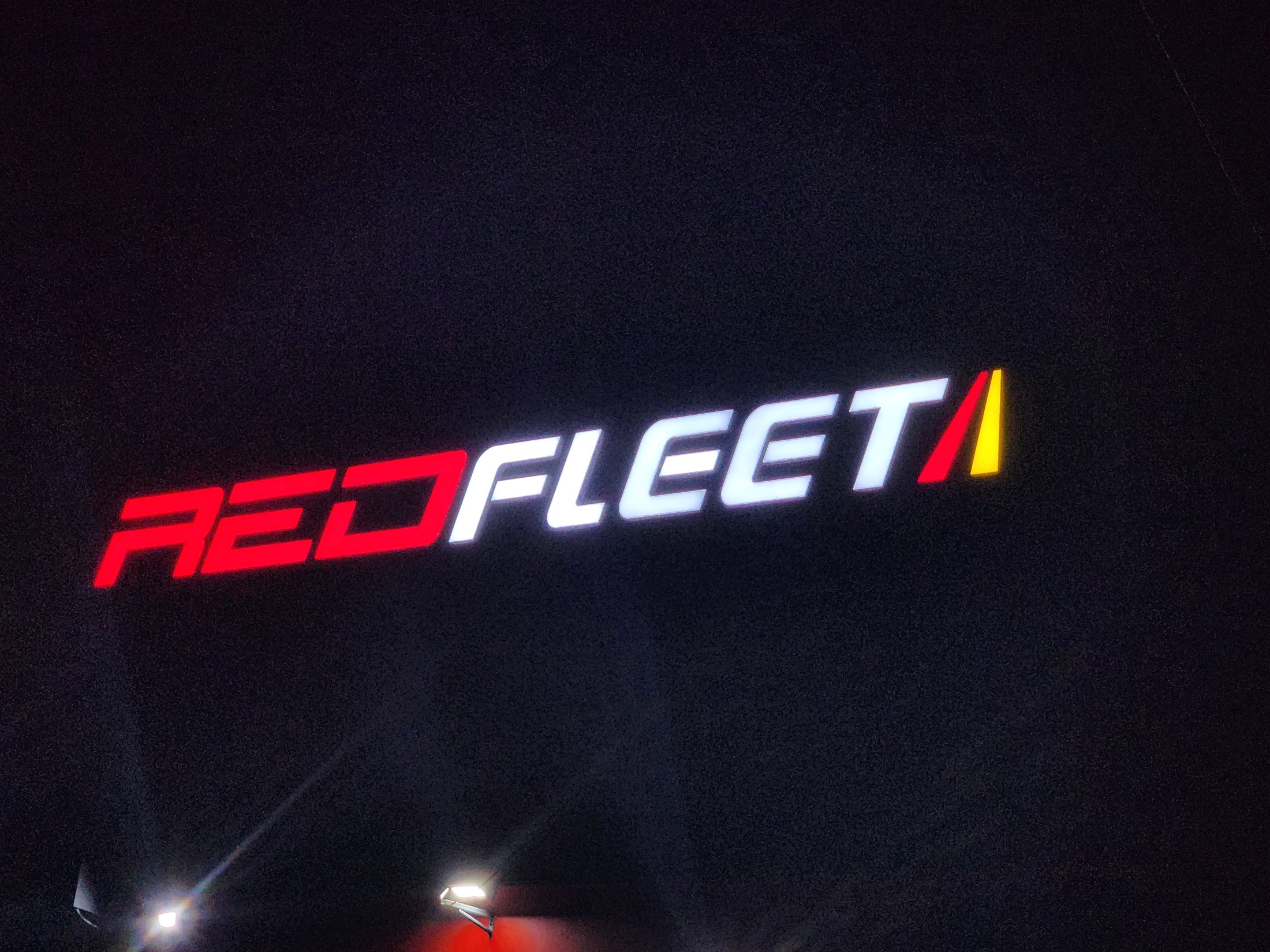
Visibility as the light changes
Illuminated faces give businesses that operate into the evening another way to identify their premises. Sign size, contrast and viewing distance still matter when deciding what people will be able to read.
Colour as part of the design
Face colour helps customers recognise the brand as well as read the name. White, coloured and printed treatments offer different ways to coordinate the sign with a retail identity or interior material palette.
A shape that belongs to your brand
Individual letters and custom logo forms let the artwork define the outline. The result can sit within a fitout or on a wall without placing the whole design inside a rectangular panel.
From artwork to illuminated signage
Start with the logo, the space available and the effect you want to achieve. The manufacturing approach follows those decisions.
1 Review the artwork and location
Review the artwork at the intended size and viewing distance. Fine strokes, enclosed spaces and separate logo elements need to remain practical to manufacture and illuminate.
2 Resolve the face and profile
Consider the body construction, face material, printed detail, front edge and depth together. A shallow profile or narrow letter stroke affects the space available for the lighting layout.
3 Plan the lighting and mounting
Resolve the LED layout alongside the fixing surface, cable routes and power supply position. Keep the power supply accessible and consider how the front assembly could be removed before surrounding cladding or fitout work limits access.
4 Manufacture to the agreed design
The sign is made to the agreed artwork and specification. Letter bodies, faces and lighting need to work as one assembly, preserving the outline while accommodating the components behind it.
5 Prepare for delivery and installation
Each sign is supplied with a template showing fixing holes and wiring positions. Installation can be arranged through our experienced contractor network, or coordinated with your nominated installer. Installation is quoted separately, with delivery and site access agreed as part of the project scope.
Choose the face colour and printed finish
The face is both a visible finish and part of the lighting system. Its material, colour and printed treatment affect the light that reaches the viewer, so appearance should be considered with the lights on and off.
White acrylic faces
White acrylic gives lettering a simple, legible appearance. For illumination, the selected grade needs suitable diffusion to spread the light across the face and soften the visibility of individual LEDs.
Coloured acrylic faces
Coloured acrylic carries colour within the face material. Different grades and colours transmit different amounts of light, so the same LED arrangement will not necessarily give every colour the same apparent brightness.
Printed vinyl and UV printing
We can apply vinyl to the face or use UV printing for graphics and colour detail beyond a single acrylic colour. Ink density and the combination of print and face material affect transmitted light. A graphic that looks strong unlit can appear lighter when illuminated, so colour density and light transmission need to be balanced.
Working towards your brand colour
Provide Pantone references and brand guidelines when colour matching matters. We can work towards a close match, with the face material and illumination considered together. Unlit colour is seen mainly in reflected light; illumination adds light transmitted through the face. A screen or paper reference cannot show both conditions.
Resolve the edge profile and illuminated finish
The front edge changes how a letter looks at close range and from an angle. Straight and bevelled edges are available, along with moulded acrylic front options for suitable designs.
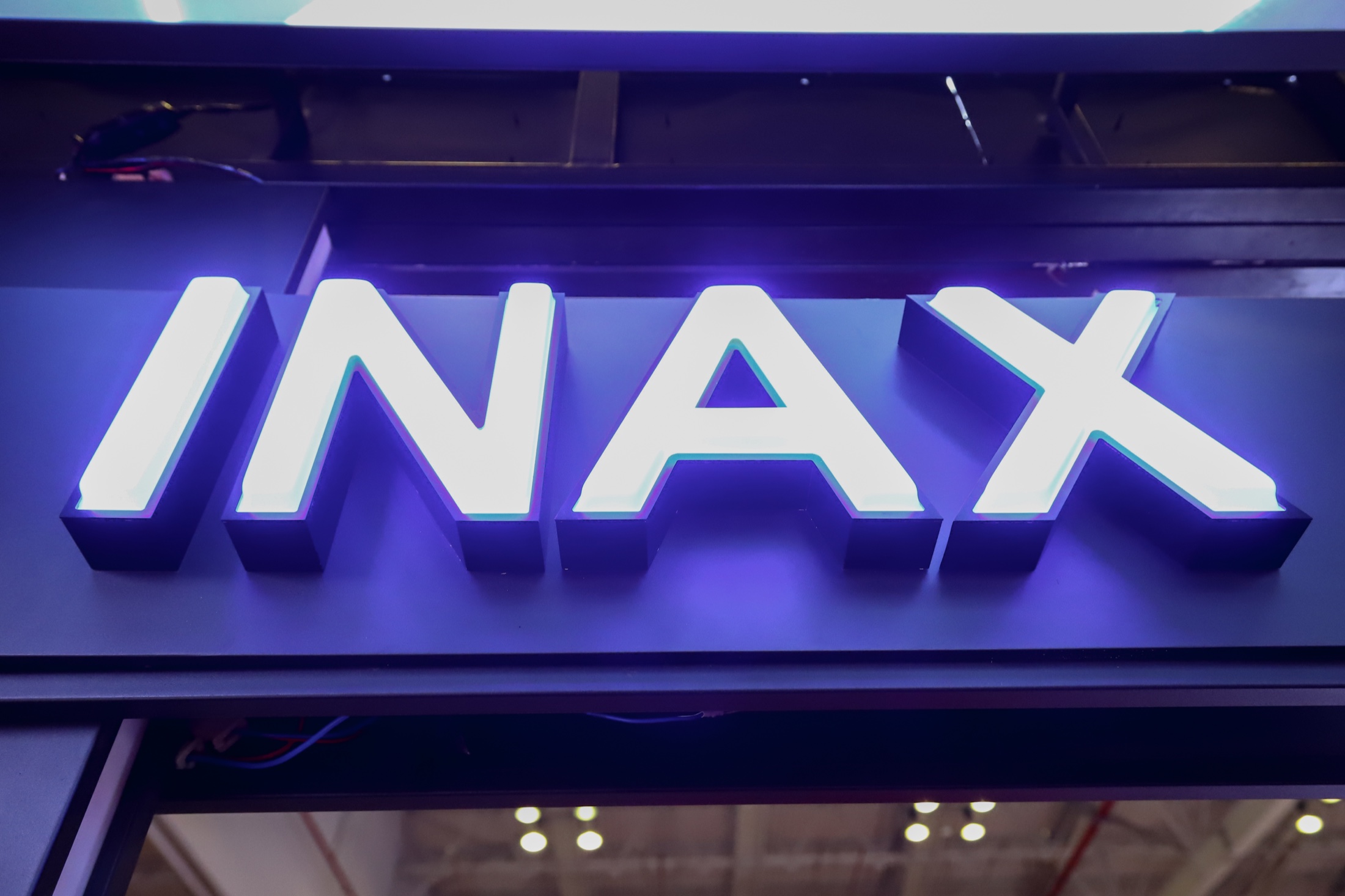
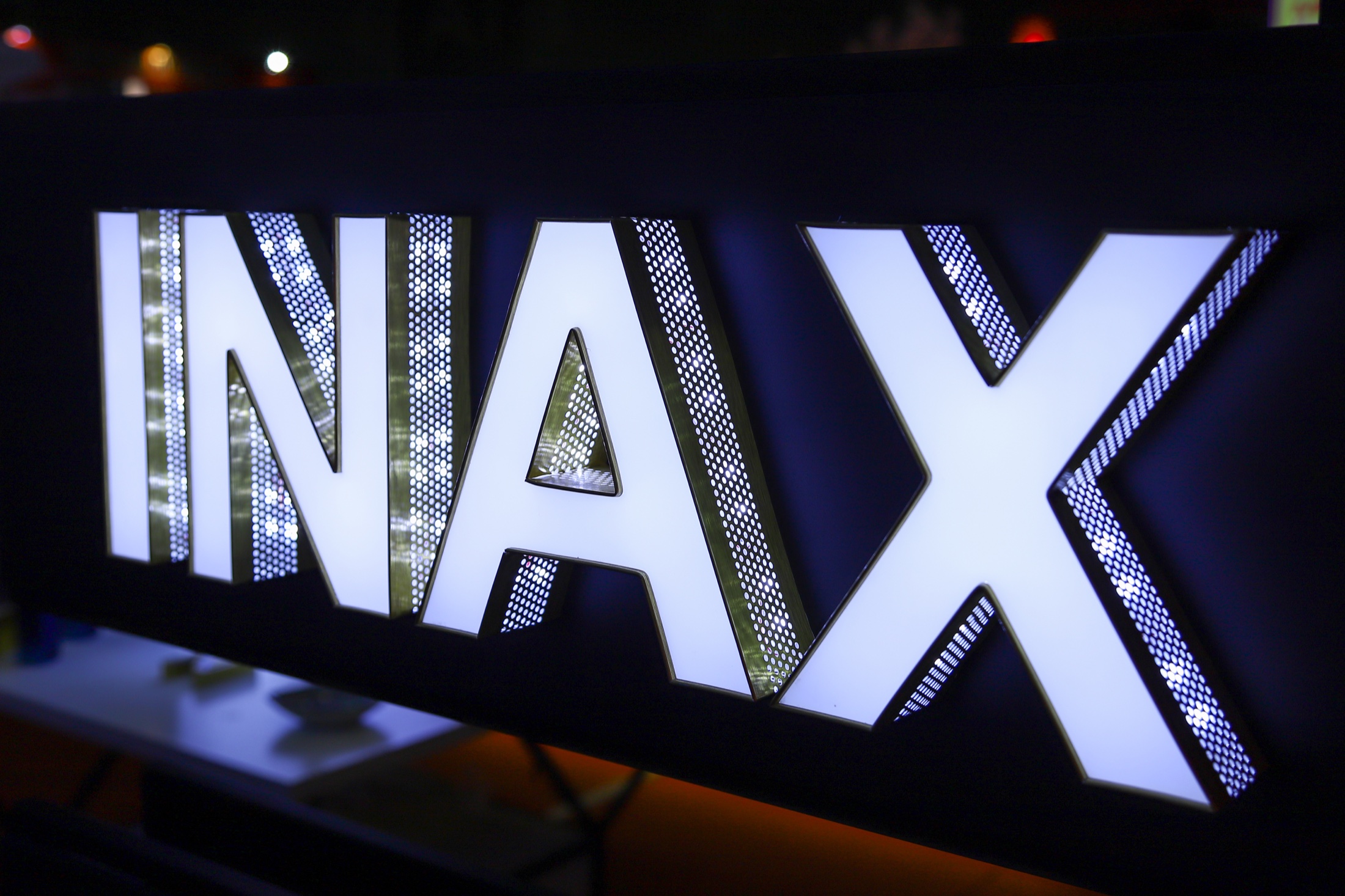
Straight or bevelled front edges
A straight edge gives the face a defined outline. A bevel introduces an angled edge around it, changing the visible profile at close range. The edge treatment should suit the scale of the lettering and its viewing angle.
Moulded acrylic fronts
A moulded front provides another way to shape the face. Its contours need to be considered alongside the artwork and lighting, particularly where the design includes small details or changes in depth.
Planning an even illuminated face
We pay particular attention to sign depth to help avoid bright spots and dark areas. Larger signs generally need deeper profiles for light distribution and balanced proportions. LED spacing and acrylic diffusion also influence evenness. We normally use Samsung or similar Korean LEDs with Mean Well power supplies. Outdoor signs are fitted with waterproof LEDs.
Front illuminated or backlit signage
The difference is where the light appears. Choose the effect that best suits your artwork and the surface behind it.
Front illuminated signage
Light passes through the face of the letters or logo. The illuminated area carries the design itself, making this a useful option when the face colour and wording should be the main focus.
Backlit or halo-lit signage
Light falls onto the wall behind the sign, creating a halo around its outline. The mounting distance and background surface influence the effect. This approach can retain an opaque metal face.
For a machined metal face with backlit or non-illuminated options, explore our solid aluminium anodised 3D signage .
If you are deciding between individual illuminated letters and a broader illuminated panel, a light box may also suit the brief.
Compare the wider range of 3D signage options to find the right starting point.
Where front illuminated signs can work
Shopfronts and retail entrances
An illuminated business name helps customers identify the entrance as daylight fades. Letter height, spacing and contrast need to suit the approach distance, particularly where the fascia competes with neighbouring signs and street lighting.
Hospitality venues
For cafes, restaurants and other venues trading into the evening, front illumination can identify an entrance or make a counter sign part of the interior. The light level should sit comfortably with the venue lighting and the distance from which guests see it.
Reception areas and showrooms
An illuminated logo can identify a reception point or display area. Close viewing distances make the face finish, edges and visible fixings particularly noticeable.
Commercial fitouts and building identification
Face-lit lettering can be coordinated with facade proportions, cladding joints and interior finishes. Resolving its projection, fixings and cable routes during fitout planning helps the sign sit deliberately within the building design.
Make the sign work with your artwork and space
A logo that works on a business card may need a different scale or spacing when made as an illuminated sign. Identify the brand details that must be preserved, then work through the physical requirements.
Lettering and layout
Consider overall dimensions, spacing and logo proportions at the intended viewing distance. Small enclosed spaces, such as the centre of an A or an O, need to remain distinct. Increasing the scale may preserve these details more effectively than crowding lighting into an undersized letter.
Face and profile
Choose the face colour, printed detail and edge treatment together. A projection limit needs to be considered early because reducing the body depth also changes the space available for light to spread.
Site integration
Plan the fixing holes, cable routes and an accessible location for the power supply. Allow room to remove the front assembly if a letter or separate logo element needs replacement. The backing panel can stay in place while the sides, face and LEDs are replaced together as one unit.
What to send for a front illuminated signage quote
A logo, approximate size and location are enough to start the conversation. The more detail you can provide, the easier it is to define the scope.
- Logo artwork, lettering or brand guidelines
- Approximate overall dimensions and quantity
- White or coloured face preference and any Pantone references
- Printed graphics, moulded front or edge finish requirements
- Indoor or outdoor location, with photos or drawings
- Mounting surface and available power information
- Delivery suburb, project timing and installation requirements
Where available, supply outlined vector artwork in Adobe Illustrator, EPS or a suitable PDF. Outlined lettering preserves the letter shapes without relying on the recipient having the same fonts.
What influences the price
Size, quantity, artwork complexity, face treatment, depth and lighting influence fabrication cost. A small, intricate logo can involve more detailed work than its overall dimensions suggest. Installation is quoted separately and depends on sign size, location, installation height, access and whether work is required outside normal working hours. Delivery is also considered for the project.
Custom signage backed by fabrication experience
Australian Plastic Fabricators has operated since 1995, working across custom fabrication, retail displays and signage. Our wider experience with acrylic, printing and dimensional forms helps connect the appearance of a sign with how it will be made.
Design and production support
CAD, visualisation and custom fabrication capability help turn artwork and site information into a practical manufacturing brief.
Acrylic and printed finishes
Acrylic fabrication, vinyl printing and UV printing provide options for developing the sign face around the brand artwork.
Sydney locations and delivery planning
The business operates from Ultimo and Silverwater. Packing and Australia-wide delivery can be planned around the size of the sign and the project location.
For the broader project process, read about our custom 3D signage design, manufacturing and installation services .
Front illuminated 3D LED signage FAQs
What is front illuminated 3D LED signage?
It is dimensional lettering or a logo with LEDs inside the sign and a face that allows light through. The illuminated face follows the shape of the design.
How are brightness and evenness determined?
LED selection, layout, face material and sign depth work together. We pay particular attention to depth to help avoid bright spots and dark areas, with larger signs generally needing a deeper profile. The light level should also suit the surrounding conditions and viewing distance.
Can you match our brand colours?
We can work towards a close match using your colour references. Provide Pantone details and brand guidelines so the material, printing and illuminated appearance can be considered together.
Can the face include printed graphics?
Yes. Printed vinyl and UV printing options are available. The artwork and intended lighting effect guide which treatment suits the sign.
How long will the sign last and what can be replaced?
Service life depends on the components, operating conditions and exposure. The power supply can be replaced separately. LEDs are sealed inside the front assembly and are not individually replaceable. If a letter or separate logo element needs replacement, its sides, face and LEDs are replaced together as one unit, leaving the backing panel in place. Allow access for this when planning the installation.
Will the colour look the same with the lights on and off?
Illumination can change how a colour appears. Discuss both conditions when selecting the face, particularly when a close brand colour match is important.
Can front illuminated signage be used outdoors?
Yes. Our outdoor signs are fitted with waterproof LEDs. The complete sign still needs to suit the location, including its construction, wiring, connections and power supply placement. Tell us about exposure to rain, direct sun and the mounting position when requesting a quote.
Can you arrange installation?
Yes. Installation is available through our experienced contractor network and is quoted separately. You can also use your own installer. Each sign comes with a template for fixing holes and wiring positions. Confirm the installation scope, power connection and site access when discussing the project.
What artwork do I need to provide?
Outlined Illustrator, EPS or suitable vector PDF artwork defines the letter and logo shapes without relying on installed fonts. Approximate dimensions and a site photo help establish the brief. You can enquire before every detail is final.
How much does front illuminated signage cost?
Each sign is quoted to its design and site requirements. Size, quantity, construction, finish, lighting and installation all affect the cost. Send the artwork and project details for a tailored quote.
Request a front illuminated 3D signage quote
Planning illuminated lettering for a shopfront, reception area or commercial fitout? Send your artwork, approximate dimensions and a photo or description of the location.
We will help you establish a practical design and scope for a tailored quote.
Sydney City: 02 9660 6010 | sales@ausplasfab.com.au
Silverwater: 02 9648 3600 | silverwater@ausplasfab.com.au